
Why Your Five-Leg Slip Keeps Dying on the Last Match
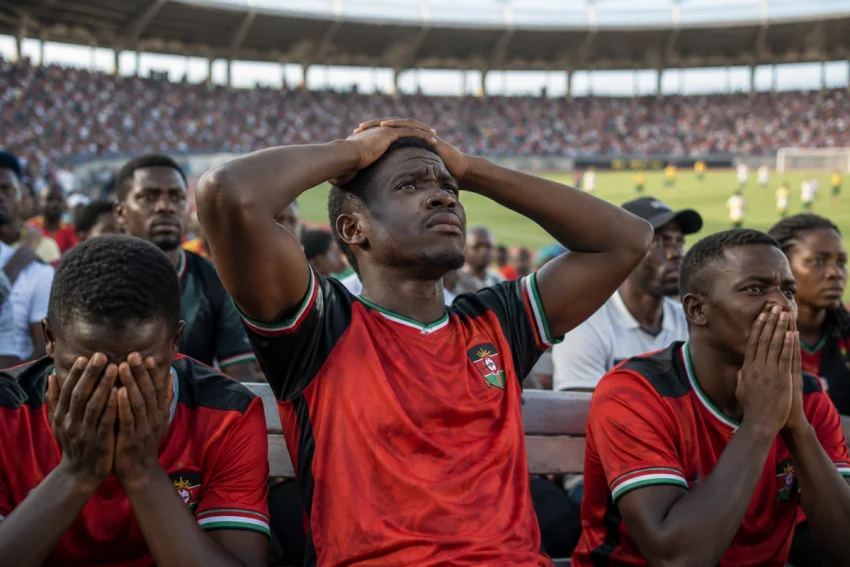
You know the feeling. Arsenal win, Gor Mahia scrape through, the Champions League favourite does its job. Then a mid-table side nobody rated grabs a late equaliser and the slip is dead.
It feels like bad luck, but in football betting Kenya fans experience it so often that it’s worth looking at the maths. An accumulator doesn’t ask you to be right a few times. It asks you to be right every time, and that gets harder with each leg you add.
Say you rate each pick at 75% likely to win, which is a confident call. Here is what that does across a slip:
- 2 legs: about 56% chance of landing
- 4 legs: about 32%
- 6 legs: about 18%
- 8 legs: about 10%
Your individual picks haven’t changed. You’ve simply stacked them, and the combined chance has collapsed.
The “Safe” Favourite Trap
Most of us pad slips with short-odds favourites. Man City at 1.25 at home, Real Madrid to beat a smaller side, a top KPL team against a relegation candidate. Each one looks like free money, so adding it feels harmless.
It isn’t harmless. A 1.25 price barely moves your total odds, but it adds a full leg of risk. Ten legs at 1.30 pays roughly 13.8 times your stake, yet one upset, which happens more than most fans remember, wipes out everything.
KPL makes this worse. Away trips, poor pitches and thin squads mean even clear favourites drop points regularly. A “safe” pick in Nairobi on Saturday can look very different in a small town on Sunday.
The better question isn’t “will this team probably win?” It’s “is this leg worth the risk it adds to the whole slip?” Often the honest answer is no.
The Gap Between the Odds and the Real Chance
Odds convert into an implied probability. A price of 1.40 suggests about a 71% chance, and 1.30 suggests about 77%. But bookmakers build a margin into every price, so the true chance is usually a little lower than the figure the odds suggest.
On one bet, that gap is small. On an accumulator, it multiplies along with everything else, so every extra leg carries its own slice of margin. The more legs you add, the more of it you take on, and the further the payout drifts from what the slip is really worth.
A big total on the betslip also looks exciting because it hides how unlikely the whole thing is. A slip paying 30 times your stake may have a landing chance well under 5%. The number you see is the reward, not the probability.
None of this means you should stop playing accumulators. It means you should build them with your eyes open, and that starts with how many legs you pick, which markets you choose and how much you put in. We’ll look at that next.
Fewer Legs, Better Odds of Getting Paid
The simplest fix is also the least exciting one: cut the slip down. Two to four legs is a sensible range for most fans. At that size a slip can still pay well, and your chance of landing stays within reach of a normal weekend.
Go back to the earlier example. Four picks at 75% each still land about a third of the time. Eight picks land about one time in ten. If you play weekly, the shorter slip will pay out noticeably more often, and those wins keep you engaged without draining your balance.
Choosing which legs survive matters too. Before you add a match, ask yourself three quick questions:
- Do I know something about this game, such as injuries, rotation or travel, or am I just filling a space?
- Would I back this pick on its own at these odds?
- Does it add real value to the total, or only more risk?
If a leg fails any of those tests, drop it. A slip with three picks you understand is better than seven you half-believe in.
Mix Your Markets Instead of Stacking Match Winners
Most Kenyan slips are built from one type of bet: the home or away win. That means every leg depends on the same fragile thing, a team getting three points. One red card or one deflected goal can undo it.
Spreading across markets gives you more ways to be right about a match. Depending on what your bookmaker offers, you might consider:
- Double chance: useful when a strong side travels to a awkward ground, since a draw no longer kills the leg.
- Over/under goals: better suited when you have a read on tempo, such as two attacking sides or a cagey European knockout tie.
- Both teams to score: sometimes a cleaner opinion than picking a winner in a tight Premier League fixture.
A word of caution on “mixing”
Variety is not the same as safety. Avoid combining picks that quietly depend on each other, such as a favourite to win and the same match to go over a high goal line. Choose markets because you have a view on each, not to make the slip look clever.
This is also where KPL needs extra care. Data and team news are thinner than for European games, so keep your KPL legs to matches where you actually follow the sides, and let the rest go.
Set a Fixed Stake You Can Afford to Lose
Even a well-built slip will lose most of the time. That is not a flaw in your thinking; it is how accumulators work. What protects you is deciding the stake before the matches, not after a bad result.
A practical approach is to set a weekly betting amount from money that has no other job, separate from rent, fare and school fees. Then divide it into equal, small stakes and keep them the same whether your last slip won or lost. Raising the stake after a loss to “get it back” is how a harmless hobby becomes a problem.
It also helps to treat any win as a bonus rather than income. If a slip lands, resist the urge to roll the entire payout into the next one. Take part of it out, even a simple half, and let the rest play.
Put together, the approach is modest: three or four legs you can justify, a spread of markets, and a stake that won’t hurt if the last match betrays you again. It won’t turn football betting into a guarantee, but it keeps the odds from working quietly against you.
Play the Slip, Respect the Maths
The last match keeps betraying you because the slip was built to be fragile, not because luck is against you. Every extra leg multiplies the risk. The “safe” favourites add danger while barely adding reward. The odds on the screen also describe the payout, not the real chance of collecting it.
Once you see that, the fix is simple. Keep the slip short and back only the matches you understand. Spread your picks across markets so one bad bounce doesn’t undo everything, and stake only what you can lose without a second thought. Some weekends that will pay less than the dream slip promised. Over a season, though, it keeps you in the game far longer than chasing a 40x total ever will.
If betting stops feeling like entertainment, or you find yourself chasing losses, step back. Free, confidential support is available online through Gambling Therapy.
Enjoy the football first. The slip should only ever be the small extra that makes a Saturday kick-off more fun.