
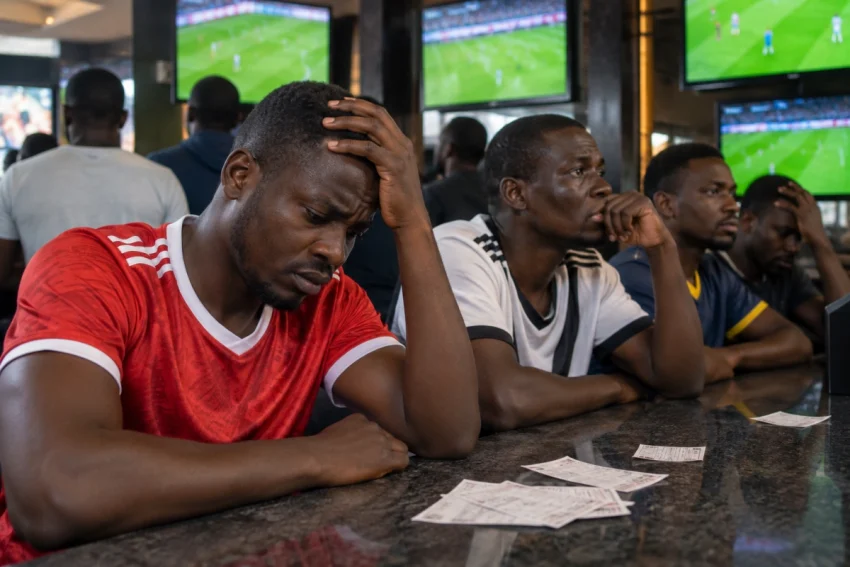
The Name on the Jersey Isn’t a Market
Ask any Kenyan punter to pick a winner between Arsenal and a mid-table side, and the bet slip fills itself. Arsenal, Liverpool, Man City, Chelsea, Man United, Tottenham — the Big Six carry a kind of betting gravity. You see the badge, you trust the odds, you place the stake.
That instinct isn’t irrational. These clubs have history, better players on paper, and bigger squads. But Premier League betting doesn’t reward reputation — it rewards form, fixtures, and context in that exact week. And this season, the gap between “big club” and “safe bet” has been wider than most bettors realize.
The problem is simple. A Kenyan fan watching Arsenal dismantle a rival on Saturday will back them again on Tuesday against a promoted side, without checking what changed in between — fixture list, injuries, rotation, travel. That’s where the hidden risk sits.
Reputation Doesn’t Survive Fixture Congestion
Big Six clubs rarely play one game a week. Between Champions League nights, domestic cups, and league fixtures, some of these teams can be staring down over thirty matches before the season even reaches its March stretch. That workload doesn’t disappear just because the name on the shirt is big.
Squad rotation becomes unavoidable, and that’s exactly where markets shift. A club that looked unstoppable with its first-choice eleven can look ordinary with five changes — tired legs, unfamiliar partnerships, a backup keeper facing a direct free kick he’s never defended in a competitive match.
Liverpool is a useful example of how this plays out quietly. Despite the trophy history, their squad spending over the last five seasons has actually been the smallest among the traditional Big Six. Less depth means rotation hits harder, and matches that “should” be routine start carrying real goal-difference risk — both in the 1X2 market and in over/under lines where tired legs often mean more chances conceded, not fewer.
Promoted Sides Are Not the Free Points They Used to Be
There’s a specific trap Kenyan bettors fall into with newly promoted teams: assuming they’re automatic underdogs who’ll fold against bigger names. Away from home, that’s mostly held true. But at home, promoted sides have been far more competitive against Big Six opposition than the reputation gap suggests.
That single detail changes how accumulators should be built. A Big Six away day at a promoted club isn’t a free leg to pad a bet slip — it’s a fixture that deserves its own look, separate from whatever happened the previous midweek in Europe.
Understanding why these matches wobble requires looking past the table and into the calendar itself — which is exactly where fixture congestion starts doing real damage to the clubs everyone assumes are safe.
The Three-Competition Squeeze
Champions League football looks glamorous from the stands, but from a betting analysis angle, it’s a liability generator. A Big Six club juggling continental football, domestic cup runs, and the league isn’t managing one campaign — it’s managing three, often with overlapping windows that leave barely three days between fixtures.
That recovery window matters more than most bettors give it credit for. Sports science data across European leagues has shown that teams playing with under four days’ rest concede more often from set pieces and transitions — precisely the moments where sharp recovery and concentration matter most. A club’s name doesn’t rest tired muscles. If Arsenal or Chelsea have just played a taxing away leg in Europe on Wednesday, the Saturday fixture that follows carries a different risk profile than the one three weeks earlier, even against supposedly weaker opposition.
Kenyan bettors chasing straightforward 1X2 wins often miss this entirely, because the league table doesn’t show midweek minutes played. A manager who rotates six positions to protect legs for a Champions League quarter-final isn’t betraying his ambition — he’s making a calculated choice that directly affects Saturday’s over/under line, corner counts, and clean sheet odds.
Goal Markets Hide More Risk Than Match Result
Most of the conversation around Big Six reliability centers on who wins — but the over/under and both-teams-to-score markets often expose the reputation bias even more clearly. A club can still win 2-1 with a rotated backline, but that’s a very different outcome from the structured 3-0 the reputation suggested.
This matters because Kenyan bettors frequently build multi-bets around “Big Six to win and under 2.5 goals,” assuming control automatically means a tight scoreline. In reality, understrength Big Six sides concede more sloppy goals precisely because the manager has prioritized freshness over defensive organization. The attack might still function — big clubs tend to retain enough quality going forward even in rotation — but the defensive discipline that made them feel “safe” in the first place is often the first thing sacrificed.
- Watch for second-choice goalkeepers or makeshift centre-back pairings — a strong signal that over 2.5 goals becomes more live than the headline odds suggest.
- Check recent minutes played by first-choice defenders; three matches in eight days often means at least one enforced change at the back.
- Treat “expected goals against” trends over the last month as more reliable than season-long averages, which get diluted by early-season form before fixture congestion set in.
Reading the Calendar Like a Bookmaker Does
Sharp bettors don’t evaluate a Big Six fixture in isolation — they look at what came before and what’s coming after. A club two days removed from a European away leg and three days from a major domestic rival is in a completely different mental and physical state than one coming off a bye week.
This is where Kenyan betting culture still lags behind more developed markets. Bettors in the UK and across Europe increasingly treat fixture density as a core variable, almost as important as head-to-head history. Locally, the habit hasn’t caught on at the same pace, which means there’s still value sitting in plain sight for anyone willing to check a club’s schedule before checking its badge.
Betting the Fixture, Not the Badge
None of this means the Big Six should be avoided — it means they should be priced on evidence rather than habit. A club’s history can explain why it’s favored; it can’t explain away a threadbare back four, a midweek trip to Europe, or a motivated promoted side with nothing to lose at home. Those details sit in the schedule and the team sheet, not in the crest.
The bettors who consistently beat the market aren’t the ones who trust reputation less — they’re the ones who verify it every single week. Checking minutes played, rest days, and injury news takes a few extra minutes before kickoff, but it’s the difference between backing a brand and backing a team that’s actually fit to perform. Resources like the Premier League’s official site make that groundwork easy, with fixture lists, squad news, and match build-up available well before odds are locked in.
Kenyan betting culture is shifting, slowly, toward this sharper way of reading the game. The punters who get there first won’t be the ones who stopped believing in the Big Six — they’ll simply be the ones who stopped betting on the name alone.