
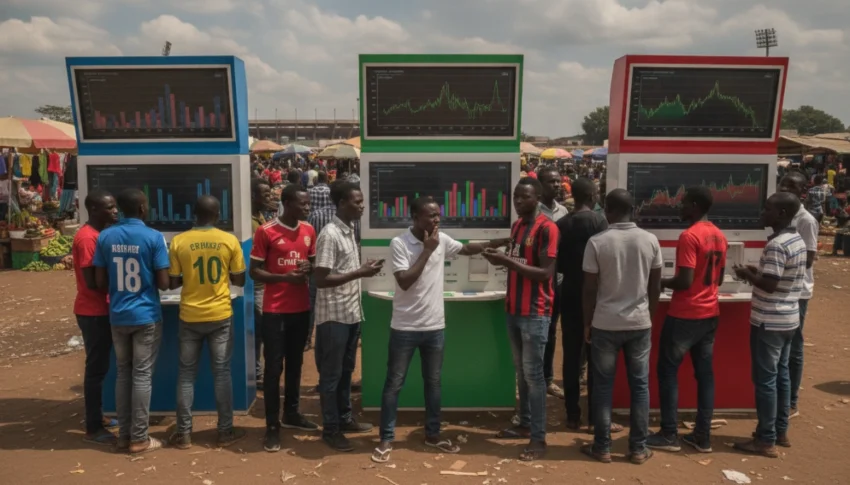
The Same Match, Different Numbers — What’s Actually Going On
Pick any Premier League match this weekend and check it on two different Kenyan betting platforms. Odds on the home win will almost never be identical. Sometimes the gap is small — 1.85 versus 1.90. Other times it’s wide enough to matter, especially when you’re staking more than a few hundred shillings or building an accumulator.
This isn’t a glitch or a mistake. It’s just how the industry works. Every platform sets its own odds using a combination of statistical models, market demand, and their own margin targets. The underlying probability they’re pricing might be the same, but the number they show you can differ — and that difference has real value if you know how to read it.
Most Kenyan bettors who follow football odds across platforms don’t do it systematically. They check one app, maybe glance at another, then place the bet without really comparing. That habit quietly costs money over time, not dramatically in a single bet, but consistently across dozens of them.
How Platforms Build Their Odds Differently
Betting platforms don’t price matches from scratch independently. Most use odds feeds from data providers and then adjust based on their own risk exposure, local betting patterns, and the volume of money coming in on each side. That’s why odds on a match can shift differently across platforms — one might be taking heavier action on the home side and trimming those odds to balance its book, while another hasn’t seen the same betting pressure yet.
The margin — called the overround — also varies. Every platform builds a small percentage into their odds to ensure they profit regardless of the outcome. A platform running tighter margins will generally offer better odds across the board. A platform that runs wider margins makes more per bet, but the bettor gets less value. Understanding this helps explain why football odds in Kenya don’t look the same everywhere, even for the most straightforward match markets.
There’s also the question of market depth. Big platforms price more markets with more precision because they have more data and more stakes to calibrate against. A smaller platform might have sharp odds on the 1X2 market but noticeably weaker odds once you move into Asian handicaps, both teams to score, or over/under lines. Knowing where each platform tends to be competitive is more useful than randomly checking odds five minutes before kick-off.
Why This Matters More on Accumulators
On a single bet, the difference between 1.85 and 1.92 feels minor. But stack five legs in an accumulator and that gap compounds with every selection. The final payout on a five-team accumulator can be noticeably different depending purely on which platform you used — same picks, same logic, different return.
That compounding effect is why odds comparison is more valuable for accumulator bettors than it might appear at first glance. It’s not about chasing every decimal point — it’s about building a habit that consistently puts better numbers in your favour.
Understanding the gap is only half the picture, though. The more practical question is how to act on it without turning every bet into a research project — and that’s where a straightforward comparison approach makes all the difference.
How to Compare Odds Without Making It a Full-Time Job
The phrase “odds comparison” sounds more demanding than it actually needs to be. Most bettors picture it as opening six different apps, manually recording numbers, and doing maths before every bet. That’s not realistic, and it’s not necessary. The more sustainable approach is narrower — identify two or three platforms that are consistently competitive on the markets you actually use, and make those your default comparison set.
For most Kenyan bettors focused on football, that means knowing which platform tends to price the 1X2 market well on European leagues, which one is sharper on over/under lines, and which one reliably offers better odds on Kenyan Premier League matches where local knowledge and local money flows differently. Once you have that mental map, comparison becomes a quick two-step check rather than a full audit.
The other practical trick is to prioritise comparison on bets where the stakes or the odds are higher. A flat bet at low odds on a heavy favourite probably won’t show a meaningful gap between platforms. But a bet on a moderate underdog, or the final leg of an accumulator carrying a lot of value, is exactly where platform differences are likely to show up — and where they matter most to your return.
Timing Your Check Makes a Difference Too
Odds don’t sit still between when a match is listed and when it kicks off. They move in response to team news, betting volume, and broader market signals from bigger global exchanges. What’s competitive on one platform at noon might look different by 7pm — and the gap between platforms can widen or narrow depending on how each one responds to incoming information.
Early odds, posted two or three days before a match, often carry more variation because platforms are working with less information and less money has shaped the market. As kick-off approaches and more bettors pile in, the markets tend to tighten and converge. That means bettors who check odds early — particularly on matches they’ve already researched — sometimes find better value before the crowd has moved prices toward a consensus.
This doesn’t mean you should always bet early. Team news, injuries, and late changes can shift the picture significantly. But understanding how odds evolve across platforms over time helps you recognise when a window of value is open versus when you’re simply betting into a market that’s already been priced tightly from every direction.
Where Kenyan Platforms Tend to Differ Most
Not all markets show the same level of variation across platforms. The biggest differences in Kenyan football betting tend to cluster around a few specific areas, and being aware of them sharpens where you focus your comparison effort.
- Draw odds — The draw market is historically where the widest variation appears. Because draws are genuinely harder to model and carry more uncertainty, platforms price them with more variance in their margin assumptions. A draw at 3.10 on one platform and 3.40 on another for the same match is not unusual.
- Both teams to score — This market attracts a lot of recreational betting in Kenya, which means platforms adjust their margins based on local volume rather than purely statistical models. Competitive platforms often price this more generously to attract traffic.
- Correct score and other specials — These carry the widest platform-to-platform differences because the margins built in are larger to begin with. Even a small improvement in the odds here has an outsized effect on payout.
- Handicap markets — Larger platforms tend to be sharper here because they have more volume to calibrate against. Smaller platforms often trail on handicap pricing, which is worth knowing if Asian handicaps are part of your strategy.
These aren’t universal rules — platforms update their strategies and market competitiveness changes — but they provide a useful starting framework. The point isn’t to memorise which platform wins every market. It’s to develop enough familiarity that your comparison instinct kicks in on the right bets, at the right time, without derailing the strategy that’s already working for you.
Smarter Betting Is a Habit, Not a System Overhaul
The most important thing to take from all of this is that comparing football odds across Kenyan platforms doesn’t require you to rebuild how you bet. It sits on top of whatever approach you already use — your team research, your preferred markets, your staking decisions — and quietly improves the numbers without touching any of that.
The bettors who do this consistently aren’t necessarily more analytical or more disciplined in every other way. They’ve just stopped accepting the first number they see as the only number available. That small shift in habit, applied over weeks and months, adds up to a meaningful difference in returns that no amount of last-minute tip-chasing could replicate.
Kenya’s betting market is competitive enough that platforms genuinely fight for traffic by sharpening their odds on popular markets. That competition works in your favour — but only if you’re paying attention to it. The value is sitting there. The platforms are offering it. The only question is whether you’re positioned to pick it up.
For bettors who want a structured starting point for understanding how odds and margins interact across different platforms, Betting Expert’s Academy offers clear, straightforward explanations that translate well to the Kenyan market context.
Keep your strategy intact. Keep your focus on the matches and markets you know well. But build in that two-step comparison check before you confirm your stake — because the gap between what you get and what you could have gotten is real, it’s consistent, and over time it’s the kind of edge that separates bettors who break even from those who come out ahead.