
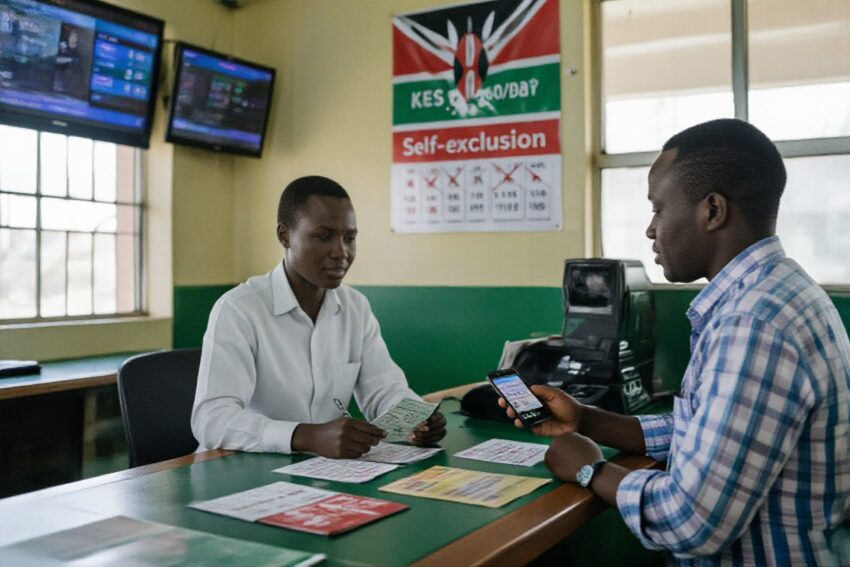
Over the years people think a quick bet is harmless, that you’ll just win back losses – not so. Betting can slip into harmful losses, so set clear limits, use cool-offs and self-exclusion when you need them. Who’s in control? You should be. There’s help in Kenya and you don’t have to go it alone… set stakes you can live with, quit when it’s not fun, and seek help early.
What’s Responsible Betting Anyway?
It matters because if you bet without a plan you can burn cash fast and stress out – set clear boundaries. Start with a weekly stake cap (many Kenyan players pick KES 500-5,000), track wins and losses, and never chase losses; chasing losses leads to debt. Learn odds, compare markets, and use operator tools like deposit limits, time-outs and self-exclusion to keep your betting habits sustainable.
Why It Matters in Kenya?
Because Kenya’s mobile-first market makes it stupidly easy to bet 24/7 – many platforms take KES 20 stakes via M-Pesa, so small bets pile up without you noticing. Ads zero in on young fans and live events, and that constant nudging turns casual bets into routine spending. Use cool-offs, deposit caps and self-bans to avoid creeping losses. Uncontrolled betting has tipped households into debt in Nairobi and beyond.
Because operators push live markets and jackpots, active punters often spend KES 1,000-2,000 a week – small amounts that snowball. Ask yourself, are you placing impulse bets after a long day? Set a daily cap, use cool-off periods and log every M-Pesa transaction; some people use a 1% rule – never risk more than 1% of monthly disposable income on a single bet. Use limits early – it actually saves money and peace of mind.
How to Set Limits Without Losing Your Mind?
This matters because if you want to keep betting fun and pay rent next month, you need clear, simple rules you actually follow. Start by deciding a weekly or monthly cap, use operator tools like deposit limits and cool-offs, and treat your bet bankroll like a bill – non-negotiable. Try the 1-3% rule on a single stake; small wins add up, big losses wreck plans. The safety net is tiny rules you keep.
Figuring Out Your Betting Budget
This matters to your wallet and sleep – you can’t chase losses if you plan ahead. Work from net income: if you earn KSh 60,000, a 2% per-bet guideline is KSh 1,200, with a 5% monthly cap at KSh 3,000; those limits make slips visible. Use a separate e-wallet or prepaid card and log every stake for two weeks to see habits change. The best budgets force choices.
- bet per stake: 1-3% of net income
- bet monthly cap: 3-5% of net income
- bet tracking: log every wager for 14 days
Sticking to Your Limits – Tips that Actually Work
This matters because plans only work when you don’t cave at 2am; so build friction. Turn off one-click betting, set auto-deposit limits, and use 24- or 48-hour cool-offs for tilt moments. Give yourself a “no-bet” rule after three losses in a session, that’s a hard stop. The tiny annoyances you add save big headaches.
This matters more when apps ping you with offers – habits slip fast, so automate resistance. Tell a friend about your caps, freeze cards, and use operator self-exclusion options (7, 30 or 90 days) if you can’t stop. Studies show brief cool-offs cut chasing by about 40% in some user groups, so use the tools. The tighter the guardrails, the calmer the game.
- bet friction: disable one-click
- bet cool-offs: 7, 30, 90 days
- bet accountability: tell a friend or use limits
Cool-Offs: A Game Changer or Just a Buzzkill?
This matters because a well-timed cool-off can stop a downward spiral before it eats your money and mood. You’ve probably felt that itch to place another bet after a loss – happens to everyone – but a 24-hour, 7-day, 30-day or 90-day pause from many Kenyan platforms will block access to bets and force a reset. Operators report reduced problem-play incidents when players use these tools, so it’s not just PR – it actually works.
What Are Cool-Off Periods?
They’re basically temporary self-exclusion options on licensed sites that prevent logins, deposits and placing wagers for set times. Common choices are 24 hours, 7 days, 30 days, 90 days or permanent self-exclusion. Many Kenyan operators build them into account settings so you can activate a pause instantly, and some will require a manual appeal after long-term exclusion.
When Should You Take a Break?
Take a break if you find yourself chasing losses for 3+ bets in a row, betting more than 10% of your monthly disposable income, or borrowing money to place a bet. If betting starts cutting into sleep, work or relationships, that’s a red flag. And if you’re placing 10+ bets a day or using credit to fund bets – stop. Chasing losses and borrowing money are the clearest danger signs.
Practical steps help: try a 24-hour or 7-day cool-off first, set a hard deposit limit (for example KES 5,000 or about 5% of income), uninstall apps for a few days, and tell a friend to check on you. Use the site tools to restrict bonuses too, and if self-control fails, seek counselling or a helpline. Small rules prevent big losses when you bet.
Need Help? Here’s Where to Find It
You don’t have to tackle problem bet on your own. Start with practical steps: use operator tools like self-exclusion, deposit limits and reality checks, contact free peer groups, or call a local counselling line. Many Kenyan platforms and clinics offer 24/7 chat or phone support and online appointments, so you can get help same week. Ask about confidentiality, what follow-up looks like, and whether they coordinate with your bookmaker to enforce limits.
Support Groups and Resources Available
Peer support really helps – often more than you’d expect. Gamblers Anonymous-style meetings and community groups meet weekly, usually free and anonymous; online forums and WhatsApp peer groups can fill gaps between sessions. NGOs and some clinics run short CBT workshops and financial counselling clinics that show real results for people trying to cut down bet losses. If travel’s hard, look for tele-support – it’s common now and works.
Getting Professional Help – What to Consider?
Professional treatment speeds recovery when it’s tailored to gambling. Look for clinicians experienced in behavioural addictions – psychologists trained in CBT or motivational interviewing, and psychiatrists if there’s severe anxiety or depression. Ask about evidence-based approaches, session length, expected timeframe, and whether they offer teletherapy; many Kenyan providers will do video sessions.
Check credentials and outcomes before you commit. Verify registration with regulatory bodies, ask how many bet cases they’ve treated, request client progress examples or remission rates, and discuss fees and sliding-scale options or NHIF acceptance. Also ask if they coordinate with operators for self-exclusion enforcement and if they’ll include family sessions or financial coaching – that combo often works best.
My Take on the Pros and Cons of Betting
Pros and Cons of Betting
| Pros | Cons |
|---|---|
| Entertainment value – quick thrill from a single bet | Risk of addiction and compulsive play |
| Potential for real winnings and boosts to income | Consistent losses eroding savings and budgets |
| Skill application – research, odds-reading improves outcomes | House edge and misleading odds for casual players |
| Social aspect – community tips, shared excitement | Peer pressure and normalized risky behaviour |
| Convenience – mobile apps make placing a bet instant | Easy access increases frequency and impulse plays |
| Promotions and free bets can add value | Bonuses often come with tough wagering conditions |
| Can be a hobby that sharpens statistical thinking | Short-term focus can foster chasing losses |
| Regulated markets offer consumer protections | Regulation gaps and rogue operators still exist |
The Fun Side of Betting
The global sports betting market topped $203 billion in 2020, which shows why a simple bet can be genuinely exciting and social. You get that buzz when a long-shot lands, and for many it’s weekend fun – a way to follow games sharper, test your knowledge and share victory with mates. It’s quick entertainment, and with budgeted stakes you can treat betting like a paid hobby, not a money pit, and still enjoy the thrill.
The Risks We Can’t Ignore
Around 1% of adults meet clinical criteria for gambling disorder, and many more display risky patterns that spiral into harm. Losses pile up quietly, debt shows up, relationships strain – and small daily bets turn into chronic drains. So while a single well-placed bet can feel harmless, the real danger is frequency and chasing losses; that’s where the trouble usually starts.
Data and on-the-ground reports show mobile platforms make it painless to place dozens of micro-bets a day, which multiplies exposure fast. In practice that looks like repeated KES 50-500 stakes becoming regular outflows, promotions nudging you to play more, and poor impulse control pushing people past limits. Use self-exclusion, time-outs and deposit caps where possible; operators in Kenya and elsewhere now offer cool-off tools and limit settings for a reason. If finances or mood shift because of betting, seek support early – talk to a counsellor, use helplines, or enforce strict personal rules before small losses turn into long-term debt or isolation.
Factors That Actually Influence Betting Behavior
Most people don’t bet because the odds are fair – they bet because the moment feels right. Fast promos, a buddy’s hot tip, or a flashy ad can nudge someone into placing a quick bet, and micro-stakes like 50-200 KES make repeat plays feel harmless. Advertisers push free spins and matched stakes, apps make wagering instant, and emotion often trumps math. This makes limits, cool-offs and education the real defenses.
- Mobile apps and easy bet access
- Promotions, bonuses and advertising
- Peer pressure and social norms
- Financial stress and impulsivity
Environment and Social Factors
Where you are and who you’re with can steer a bet faster than any analysis. Crowded kiosks, sports bars showing live games, and workplace chatter create normalisation – everyone chips in, why not you? In Nairobi and other towns, visible cash-outs and winner shouts amplify FOMO, while targeted promos reach younger users on social feeds. Knowing how venues, peers and ads combine helps shape practical limits and safer product design.
- Local betting shops and pubs encouraging quick bets
- Friends, family attitudes and group wagers
- Targeted ads and influencer promotions
- Economic context – disposable income or desperation
Psychological Influences
People chase feelings, not probabilities. After a small win you feel invincible and you place another bet, after a loss you chase to “get even” – the gambler’s fallacy in action. Emotions like stress, boredom or the thrill of risk drive repeated plays; impulsivity and poor impulse control turn tiny stakes into long sessions, and that pattern is where harm often starts.
Digging deeper, cognitive quirks and reward systems explain a lot. Dopamine spikes from near-misses, variable rewards keep you coming back, and simple cues – a notification sound, a friend’s tip, a flash promo – trigger automatic responses. Practical examples: small 100 KES bets feel low-risk so people make dozens in an evening; self-exclusion and 24-hour cool-offs break the chain, and setting stake caps prevents spirals. So, interventions that target triggers, offer clear limits and combine behavioural nudges with counselling work best for reducing harm related to bet behaviour.
Final Words
So imagine you’re in Nairobi, watching a late Premier League game and you make a bet on a hunch, fast and fun but maybe a bit risky. Set limits, use cool-offs when things get hot, and lean on support services if it goes sideways; that’s smart, not weak. Who do you call? Use self-exclusion or time-outs, talk to a counselor, tell a friend. Bet with your head, not your heart – keep it in check and you’ll enjoy the game more.
FAQ
Q: How do betting limits work in Kenya and why set them?
A: The weirdest bit is that limits can actually make betting more fun, not less – because you stop spiraling after one bad win or loss and you get to enjoy the bet again, sane. You can set daily, weekly or monthly bet caps on most Kenyan operators, and they usually apply across stakes – deposits, wager size, or losses. So if you tend to bet big after a couple of beers, a low daily limit stops that impulse cold.
Setting limits is simple on most sites – go to account settings, choose limits, pick amounts and durations, confirm. Some limits are reversible after a short waiting period, some take longer to lift so you don’t just flip them off in the heat of the moment.
Pick realistic numbers.
If you can’t pay your bills because of a bet, that limit’s too high.
Q: What’s a cool-off period and when should I use it?
A: The surprising truth – a 24 or 48-hour cool-off often kills the urge to chase losses more effectively than willpower alone. You’re forced out of the app, you breathe, you sleep on it, and the impulse fades. Crazy but true.
A cool-off is a short self-exclusion you activate yourself – anywhere from a day to a few months depending on the operator. Use it when you notice patterns: topping up after losses, betting to cheer up, or when you hide bets from family. It’s not banning forever, it’s just hitting pause.
Start with a short cool-off if you’re unsure – try one week if 48 hours wasn’t enough.
And if that still doesn’t help, step up to longer self-exclusion or seek support.
Q: Where can I get help in Kenya if my bet habit feels out of control?
A: Most folks think they’ll only need help at rock bottom – nope, earlier is better and way less painful. First move is simple – use the operator’s support and self-exclusion tools, they’re there for a reason. Then talk to someone you trust, or get professional help – counselling, a GP, or mental health services can point you to local resources.
There are peer groups and online communities too – Gamblers Anonymous has local and online meetings you can join, and international resources offer guidance if local services are thin on the ground. Don’t underestimate setting practical barriers either – block apps, remove saved cards, ask your bank about spending limits.
If betting’s costing your home or health, act now.
You’re not weak for asking for help – you’re smart for doing it sooner rather than later.