
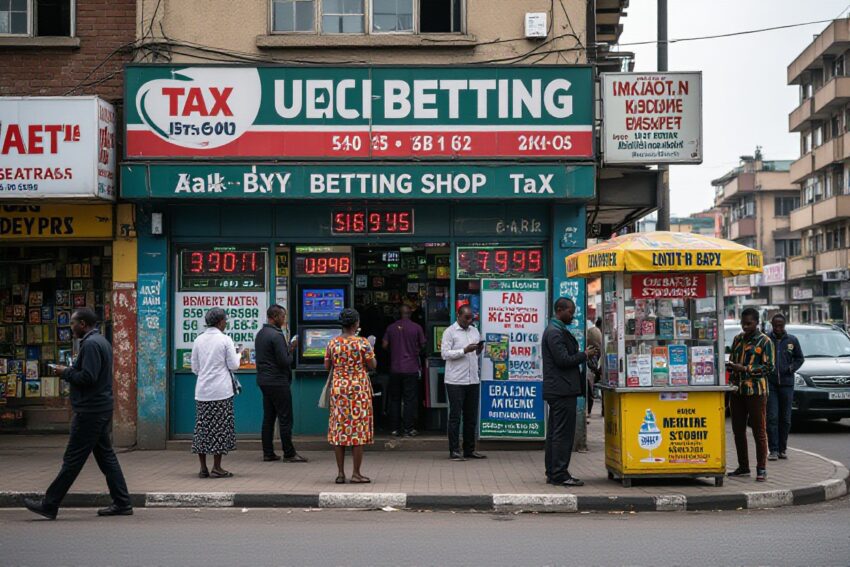
Most Kenyan bettors must understand how taxes and regulation affect every bet: tax reporting and withholding rules can change net winnings, while heavy fines or license revocation are the main dangers for noncompliance; this guide explains how to identify licensed operators and consumer protections, calculate obligations, and keep records to reduce risk and stay compliant.
Types of Betting in Kenya
- bet
- sports bet
- casino bet
- lottery bet
- mobile bet
| Sports Betting | Football dominates: pre-match, in-play, accumulators and single-match wagers via mobile apps and USSD. |
| Casino Betting | Slots, blackjack, roulette and live-dealer games in licensed venues and online platforms with varying RTP. |
| Lotteries | Draw-based national and private lotteries, scratch cards and pooled jackpots with long odds but large prizes. |
| Virtuals & eSports | Simulated sports and eSports markets growing among younger punters, often offered 24/7 on operator sites. |
| Fixed Odds & Spread Betting | Fixed-odds markets are standard; spread/financial-style products exist but are less common and carry higher risk. |
Sports Betting
Many Kenyan bettors focus on football, athletics and cricket, using apps or USSD to place bet types like singles, accumulators and live (in-play) markets; operators offer decimal odds, cash-out options and promotional bonuses, while mobile money integration means stakes and payouts clear quickly, but odds volatility and accumulator risk can produce large losses fast.
Casino Betting
Land-based and online casinos offer slots, roulette and table games; licensed operators must follow the Betting Control and Licensing Board framework, and house edge varies-live blackjack and roulette carry lower house advantage than many slot titles.
Online casinos typically advertise slot RTPs in the 92-98% range; live-dealer tables mirror land casinos with faster play and higher stakes, VIP tables can expose bettors to significant volatility, and responsible-play tools (limits, self-exclusion) are increasingly provided by major brands to mitigate addiction risk.
Lotteries
State and private lotteries run draw games, instant scratch cards and pooled jackpot products; tickets are inexpensive but odds are long, promotional rollovers can push jackpots high, and many players use syndicates to improve perceived chance per ticket.
Lottery odds often sit at millions-to-one for top prizes, prize structures include fixed prizes and pari-mutuel pools, and payouts may be taxed or subject to withholding depending on the operator’s terms; smaller scratch prizes are paid immediately while large jackpots follow verification and longer payment processes.
Assume that different bet types attract different regulatory, reporting and tax treatments under Kenyan law.
Understanding Taxes on Betting Winnings
Operators now apply an excise duty and KRA oversight means bettors rarely get full face-value payouts. In practice a bet’s gross stake often attracts a 7.5% excise duty collected by the operator; combined fees and withholding can cut net winnings further. When planning staking or cash-outs, factor taxes into expected returns so an advertised 10,000 KES payout may net significantly less.
Tax Rates for Bettors
Tax treatment varies by product: sports bets, lotteries and virtual games can carry different levies. For example, a 1,000 KES bet typically incurs a 75 KES excise duty (7.5%), and some platforms deduct additional withholding-often between 5-15%-on large payouts. Check the operator’s terms to see exact rates applied to each bet so you can calculate true ROI.
Reporting Betting Income
Betting wins aren’t always exempt from income tax: if betting is regular or generates sizable receipts, KRA expects declaration on annual returns. Keep statements and slip records; many operators issue e-receipts showing taxes deducted that assist filing. Failure to declare significant bet-derived income can trigger audits and penalties, so treat frequent or high-value wins like any other taxable income.
Maintain a simple record system: save bet slips, e-wallet transaction histories and monthly operator statements showing gross wins, excise duty and any withholding. For example, if yearly net winnings push you into a higher tax bracket, include them under “other income” and apply the marginal rate; consult a tax adviser to confirm whether professional betting counts as business income. Penalties for non-reporting include interest and fines.
Regulatory Bodies and Their Roles
The regulatory framework combines the Betting, Lotteries and Gaming Act (Cap 131) with active oversight by agencies that enforce licensing, tax compliance and consumer protection. Operators must align with both the Betting Control and Licensing Board and national tax provisions; failure can trigger fines, licence revocation and forced closure. Consumers benefit from regulated dispute resolution and anti-money‑laundering checks, while the state tracks revenue from every bet through interagency data sharing between regulators and the Kenya Revenue Authority.
Betting Control and Licensing Board
The Betting Control and Licensing Board issues and renews licences, inspects premises and online platforms, and enforces the minimum legal age of 18+. It monitors ad content, requires operators to maintain records for audits, and can suspend or revoke licences for non‑compliance, creating a clear deterrent against illegal outlets. Licensed firms must report customer protection measures and complaint logs, and the BCLB coordinates with law enforcement on unlicensed bet operators.
Role of the National Government
The National Treasury and Kenya Revenue Authority set and collect taxes that affect bet prices and operator margins, while ministries craft policy on advertising, youth protection and cross‑border licences. Tax measures such as withholding requirements and excise duties are applied at source, making the government the primary enforcer of fiscal compliance; non‑payment can lead to asset freezes or criminal charges, demonstrating the fiscal authority’s teeth.
In practice the government also drives regulatory change: legislative amendments to Cap 131 or finance acts reshape licensing fees, reporting obligations and tech standards for online bet platforms. Coordination mechanisms require operators to submit periodic transaction data to KRA and the BCLB, enabling targeted audits; this integration both increases revenue transparency and raises the compliance bar for smaller operators. Strong enforcement has shut down unlicensed chains, illustrating the system’s effectiveness.
Factors Influencing Betting Regulations
Regulators balance fiscal goals, public health and market realities as they shape bet rules: Kenya’s 2019 showdown with SportPesa showed how quickly regulation and tax enforcement can reshape supply and consumer access, while rising smartphone use and Kenyan bettors demanding convenience push authorities to adapt compliance, KYC and cross-border oversight. Enforcement capacity and the political appetite for revenue versus social protection determine whether rules tighten, tolerate or incentivize operator behavior.
- Market demand and mobile payments
- Tax revenue targets and fiscal policy
- Public health concerns: addiction and underage play
- Technology: apps, USSD, and cross-border bet platforms
- Enforcement capacity and licensing regimes
Market Demand
Rapid uptake of mobile wallets and USSD channels fuelled operator expansion-SportPesa and Betin scaled via agent networks and mobile deposits-so regulators factor transaction volumes, agent density and weekly turnover into licensing and reporting rules; concrete thresholds, such as mandatory reporting for operators with over 100,000 monthly transactions, often trigger stricter oversight to protect revenue and integrity of the bet market.
Social Impacts
Rising youth participation and anecdotal spikes in household debt pushed regulators to weigh consumer protections: age verification, deposit limits and self-exclusion tools are increasingly mandated after NGOs reported clusters of problem gambling in urban slums; penalties for operators failing to prevent underage bet activity are now part of many enforcement actions.
The government and NGOs cite cases of increased family debt, school dropouts and local credit defaults linked to uncontrolled bet play, prompting targeted measures like stricter KYC, mandatory player-education pop-ups, and earmarked portions of tax receipts for treatment and counselling programs to reduce harm.
Tips for Navigating Betting Regulations
Verify operator licenses on the Betting Control and Licensing Board (BCLB) database, confirm you are over 18+, and keep screenshots of deposits, bet slips and payouts for disputes and tax reporting. Cross-check platform terms on dispute resolution and note that the Kenya Revenue Authority (KRA) may require reporting or withholding on significant wins. Perceiving regulatory risk lets you avoid unlicensed operators and preserve evidence for challenges.
- Check bet operator license on BCLB before depositing
- Confirm obligations with the tax authority (KRA)
- Verify age and KYC: 18+ requirement
- Keep digital records of stakes, payouts, and communications
- Prioritise operators that follow regulation and publish clear dispute procedures
Stay Informed
Subscribe to official BCLB and KRA channels, and review operator terms before funding accounts; policy changes can affect withholding or payout rules within weeks. Check license numbers and any public advisories, scan operator T&Cs for clauses on settlement windows and dispute timelines, and save any announcements-active monitoring of bet platform updates reduces exposure to unexpected rule shifts.
Consult with Professionals
Engage a tax advisor and a lawyer to clarify KRA reporting, withholding practices, and dispute options; bring your full betting history, bank statements and operator license details to the first meeting so they can assess liability and representation needs. A specialist can interpret complex clauses and advise on filing requirements for bet winnings and losses.
When you consult, provide: 1) a consolidated CSV of bets and payouts, 2) screenshots of account T&Cs and communications, and 3) receipts for deposits/withdrawals. Ask whether withheld amounts are creditable, how to report seasonal winnings, and when to pursue formal complaints with BCLB or small-claims court. Professional advice reduces audit risk and can recover withheld funds or negotiate settlements, making expert fees an investment against audit exposure and disputed losses.
Pros and Cons of Betting Regulations in Kenya
| Consumer protection | Increased operator costs |
| Tax revenue for public services | Higher prices and lower payouts |
| Responsible gambling controls (age, limits) | Growth of unregulated/black‑market sites |
| Market transparency and integrity checks | Compliance burden for small shops |
| AML and fraud prevention | Advertising and access restrictions |
| Standardised licensing | Potential job losses in informal sector |
| Data reporting improves oversight | Reduced product innovation |
Pros
Regulation strengthens player safety through age verification, deposit limits and AML checks, while licensed operators contribute taxes and fees that fund services; operators commonly dedicate 5-15% of gross betting revenue to compliance, and formal markets improve dispute resolution and market integrity for the average bet.
Cons
Heavy taxation and licensing can shrink operator margins, often raising odds margins or fees and pushing some players toward unlicensed offshore sites, where consumer protections and payout guarantees are weaker.
When costs rise-licenses, reporting systems, and excise duties-smaller agents may close or consolidate; studies from similar markets show margin erosion of 10-25%, increasing concentration among big operators and making enforcement harder as informal betting migrates online without recourse.
Summing up
Drawing together, Kenyan bettors should be aware that taxes and licensing affect every bet: licensed operators and local laws determine which winnings are taxable, reporting requirements, and potential penalties for non-compliance. Keep accurate records, check an operator’s regulatory status, and seek a tax professional to clarify obligations and documentation so betting remains legal and financially sound.
FAQ
Q: Are betting winnings taxed in Kenya?
A: Yes. Bet winnings in Kenya can attract tax treatment: operators are required by law to apply certain tax and excise measures related to betting activity, and many licensed firms deduct withholding tax or show excise duties on stake receipts and payout statements. That means the net amount you receive after a bet win may already reflect tax withheld at source. Tax obligations can also depend on whether the bet was placed with a licensed Kenyan operator or with an offshore site, so always check the operator’s payout documentation and KRA guidance to confirm how a specific win is treated.
Q: Which authorities regulate betting and how can I verify an operator is legitimate?
A: Betting in Kenya is regulated by the Betting Control and Licensing Board (BCLB) under the Betting, Lotteries and Gaming Act, while the Kenya Revenue Authority (KRA) enforces tax rules that apply to gaming revenue. To verify legitimacy, confirm the operator displays a valid BCLB license number, cross‑check that number with the BCLB or the Ministry’s published list, and ensure the operator issues official receipts showing stake, payout and any taxes or excise applied. Using licensed operators protects you from illegal activity, helps ensure correct tax treatment of your bets and gives you recourse if disputes arise.
Q: What practical steps should Kenyan bettors take to stay compliant and avoid problems?
A: Keep clear records of every bet-digital bet slips, receipts and payout statements-so you can show how much you staked and what you won. Check terms and tax sections on the operator’s site before placing a bet to see how taxes or excise duties are applied and whether withholding appears on payouts. Maintain an active KRA PIN and report any taxable gambling income on your tax filings if required. Be cautious with offshore betting platforms: cross‑border bets can complicate tax treatment and consumer protection. For large wins or complex situations, consult a tax adviser or legal professional to ensure compliance with Kenyan tax and regulatory rules governing bets.