
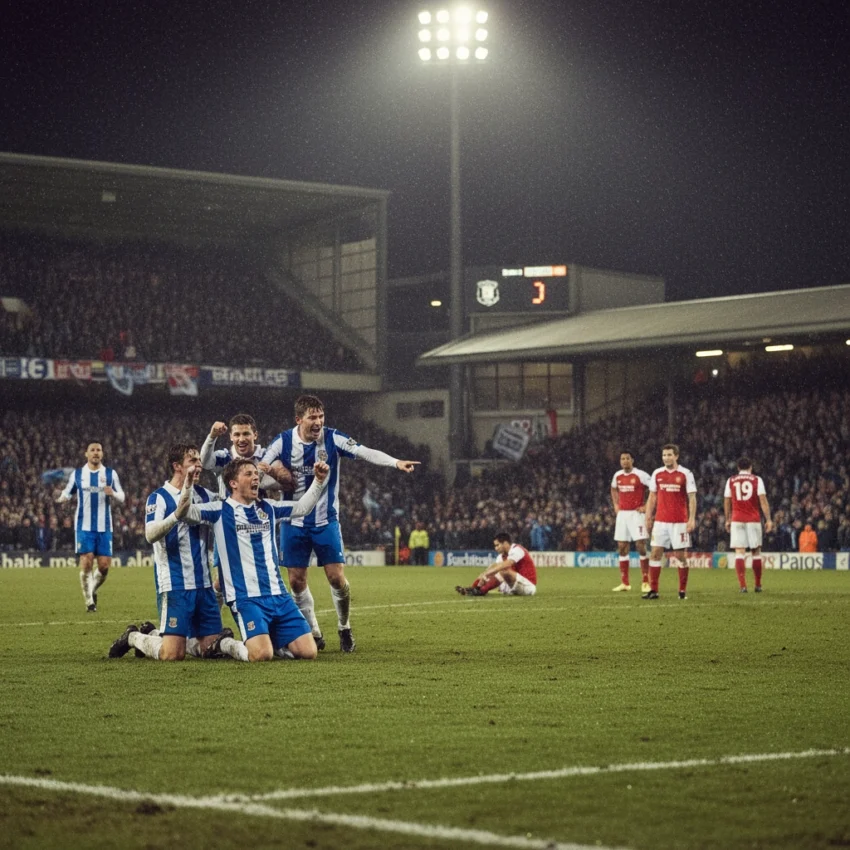
When David Meets Goliath: Why Cup Knockouts Produce Memorable Upsets
You’ve seen the headlines: a lower-league side knocks out a favorite, the stadium erupts, and pundits call it a classic giant-killing. Cup competitions create a unique environment where the rigid hierarchy of league football is more porous. Because matches are often one-off affairs, the margin for error shrinks for favorites and expands for underdogs. You’ll learn how competition format, motivation, and situational variables make these fixtures fertile ground for surprises — and why that matters if you plan to bet on cup games or study soccer betting markets.
How the Cup Format Distorts Expected Outcomes
The structure of cup competitions changes incentives and behavior in ways you might not notice at first glance. Unlike a league season where consistency wins, cup ties are frequently decided in a single match, sometimes with extra time or penalties. That amplifies variance — a single inspired performance, a red card, or a penalty can swing the result. You should pay attention to these format-driven dynamics:
- Single-match volatility: One game means fewer opportunities for the superior team to correct mistakes, increasing upset probability.
- Rotation and squad selection: Top clubs often rest regular starters, which can reduce their quality on paper and open the door for motivated underdogs.
- Neutral venues and home draws: Cup ties played at smaller grounds or neutral sites can erode the favorite’s advantage or boost the home underdog’s morale.
- Extra-time and penalties: Matches that stretch beyond 90 minutes favor teams that prepare specifically for endurance or spot-kick situations.
Key Practical Factors That Turn a Midweek Match into a Giant-Killing Opportunity
If you want to analyze potential upsets — whether for research, watching, or placing a bet — focus on concrete, observable elements. These are the variables that historically correlate with giant-killing outcomes in cup competitions, and they will also influence how you interpret soccer betting odds.
- Motivation and context: Cup games mean more to some clubs than others. For a lower-league team, a cup run can be transformative; for a top club, an early round might feel expendable.
- Fixture congestion: Clubs juggling league, continental, and cup commitments are more likely to rotate, which increases upset risk.
- Travel and recovery: Long trips or cramped schedules can blunt a favorite’s physical edge — an advantage for fresher underdogs.
- Style matchup: Certain tactical setups — deep defensive blocks, fast counters, targeted press — can neutralize technically superior teams in a single match.
- Managerial approach: Managers willing to take pragmatic risks (park the bus, target set-pieces) often give underdogs the best chance of pulling off an upset.
Having outlined why cup formats are ripe for surprises and which factors you should monitor, the next part will show you how to evaluate odds, spot value in soccer betting markets, and build a simple pre-match checklist to identify the most plausible giant-killing candidates.
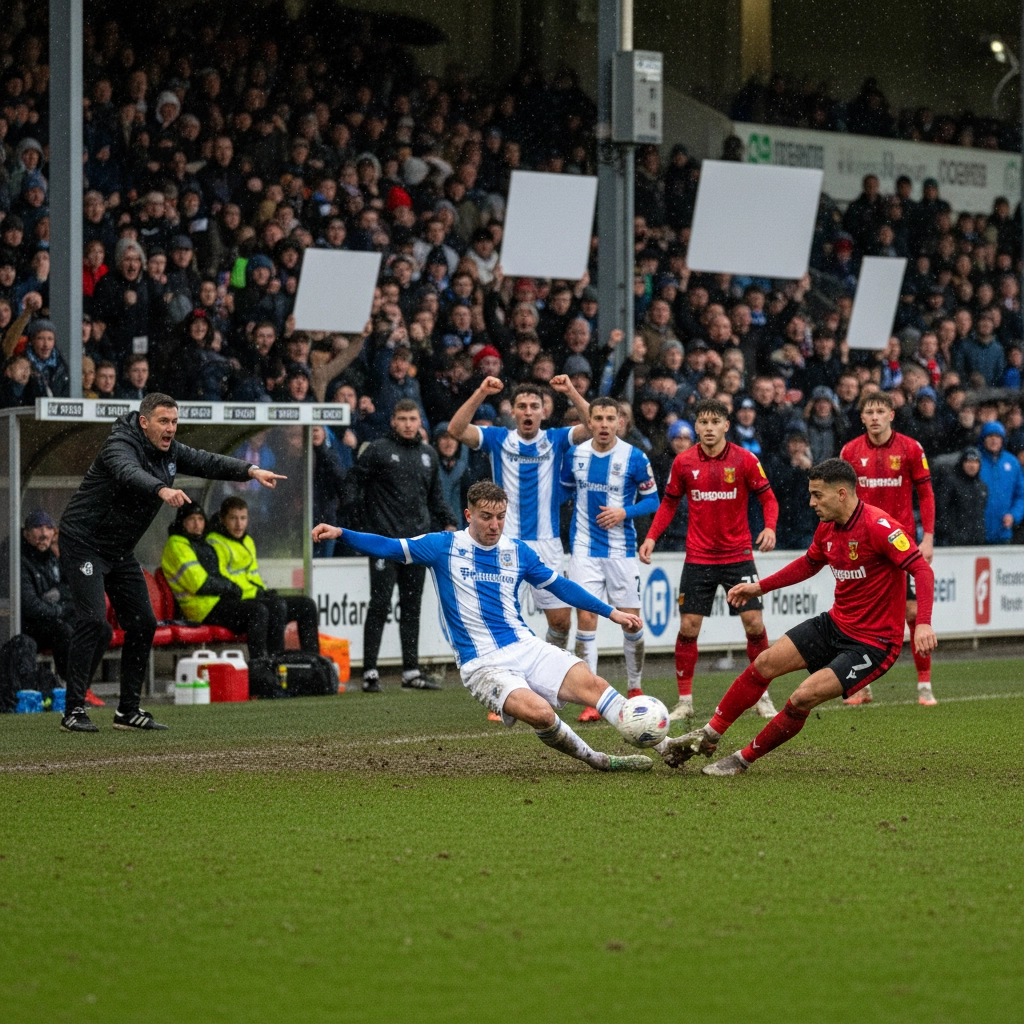
Reading the Odds: How to Spot Value in Cup Matches
Odds are where emotion meets math — and in cup ties that imbalance is often magnified. Favorites in early rounds frequently have inflated odds because bookies price in reputation and squad depth more than single-match volatility. Your job is to identify when the market’s implied probability understates the underdog’s real chance. A few practical rules:
- Convert odds to implied probability: For decimal odds, implied probability = 1 / odds. If a team is 4.50, the market thinks they have ~22% chance. Ask yourself: does that reflect motivation, squad news, venue, and matchup?
- Compare multiple books and exchange prices: Differences between firms reveal where the market is unsure. Significant variance on underdogs often signals value — or information asymmetry (e.g., late team news).
- Look for systematic biases: Big clubs are often underpriced in early rounds; public bettors back names, not circumstances. Underdogs with strong home records or specific tactical tools (set-piece threat, compact defensive structure) can be mispriced.
- Use objective metrics to justify a price: Expected goals (xG), recent xG conceded, shots allowed per 90, and set-piece involvement are better predictors in a one-off than season table position. If the underdog’s defensive xG conceded is unusually good while the favorite has rotated heavily, the underdog’s true probability rises.
- Account for juice and implied edge: Subtract bookmaker margin when comparing probabilities. A fair price is what you want to find — not a sentimental bet on a feel-good story.
A Practical Pre-match Checklist for Identifying Giant-killing Candidates
Turn theory into a quick decision tool you can apply before kickoff. Use this checklist to shortlist matches where the underdog’s chance is materially higher than the market implies. Score items as Yes/No and prioritize ties with multiple checks ticked.
- Starting XI clarity: Confirm whether the favorite is rotating. If key starters are absent and the bench looks inexperienced, mark Yes.
- Motivation disparity: Is the underdog treating the cup as a priority (recent cup focus, manager quotes, financial incentive)? Yes if they visibly value the tie.
- Venue and conditions: Smaller pitch, heavy rain, or poor traveling logistics for the favorite? These favor the home underdog.
- Tactical matchup: Can the underdog frustrate (deep block, aerial threat, fast counter)? Yes if their strengths directly target the favorite’s weaknesses.
- Recent form & underlying stats: Better recent xG numbers or a run of clean sheets? Yes if metrics support defensive solidity or sharp counter-attacking conversion.
- Market signals: Odds drift or early money on the underdog? Yes if the exchange shows meaningful lay/back movement in their favor.
- Intangibles: Manager with cup pedigree, academy-fed squad fighting for contracts, or intense local rivalry — these amplify upset chances.
Matches with at least three “Yes”es are worth deeper inspection; four or more often justify a small, value-sized stake or closer in-play monitoring.

In-play Opportunities: How Live Momentum Creates Betting Windows
Cup upsets often crystalize during the match — a red card, an early goal, or a tactical switch changes probabilities fast. Live markets react, but not always efficiently. Watch for these signals:
- Game-changing events: Red cards, injuries to key players, and early goals swing implied probabilities dramatically. If the favorite loses a central defender or goalkeeper, the underdog’s live value can spike.
- Momentum vs. fundamentals: Short-term pressure might inflate the favorite’s chance despite poor xG numbers. If the favorite’s possession isn’t producing clear chances, live odds may be overstating recovery prospects.
- Substitution patterns: Defensive subs from the favorite suggest risk-averse play; attacking subs from the underdog show belief. Use these to anticipate extra time or a late surge.
- Staking and prudence: Because live lines move fast, reduce stakes and set stop rules. Cash-out can protect a small profit if momentum flips unpredictably.
Combine the pre-match checklist with attentive in-play reading and you’ll catch the windows where a cup giant-killing is both likely and profitable — or at least fascinating to watch unfold.
Putting Giant-Killing Into Practice
Giant-killing moments are as much about preparation as they are about luck. Approach cup ties with a checklist mindset, respect the increased variance, and treat live markets as fast-moving information systems rather than opportunities for emotional wagers. Keep stakes proportionate to conviction, and use objective metrics (xG, rotation, venue) to justify any price you back. Above all, enjoy the unpredictability — these matches are where football’s romance and analytics meet.
For examples of historic cup upsets and to study how context shaped those results, see UEFA classic cup moments.
Key Takeaways
- Cup formats increase variance; one-off ties, rotation, and venue effects make upsets more likely than in league play.
- Use a pre-match checklist and objective metrics (xG, squad news, tactical matchup) to spot underpriced underdogs.
- Live markets create clear windows after game-changing events; trade carefully with reduced stakes and strict stop rules.
Frequently Asked Questions
Should I bet on underdogs in cup competitions more than in league matches?
Cup ties present higher variance and more mispriced opportunities, so selectively backing underdogs can be profitable if you have an edge from objective analysis (rotation, venue, xG). Keep stakes small relative to your bankroll and only act when multiple checklist items align.
Which statistics matter most when evaluating a potential giant-killing?
Prioritize defensive xG conceded, recent xG trends, set-piece threat, and shots allowed per 90. These metrics are better single-match predictors than league table position, especially when combined with visible rotation or motivation signals.
How should I adjust strategy for in-play betting on cup ties?
Focus on clear game-changing events (red cards, key injuries, early goals) and contrast momentum with underlying numbers. Reduce stake size, use cash-out prudently, and avoid chasing swings; the best in-play opportunities often follow decisive shifts that materially change expected goals or team composition.